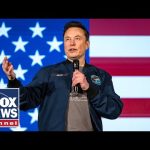
President Trump’s blunt move to force the Greenland issue into the center of international diplomacy has frozen the usual niceties of trans-Atlantic relations and turned Davos into a crisis management stage. The president has threatened tariffs and put hard economic pressure on European capitals that have backed Denmark’s sovereignty over Greenland, and his presence in Davos has heightened an already combustible standoff.
The administration’s argument is simple and unashamedly American: Greenland matters for U.S. national security as Russia and China expand in the Arctic, and Washington will not meekly cede strategic ground. This is not reckless chest-thumping but a clear-eyed assertion of American interests that previous administrations were too timid to make.
Predictably, European elites responded with theatrical outrage—some countries even sent small military contingents to Greenland as a symbolic rebuke, while Brussels threatens retaliatory measures. If Europe thinks symbolism will frighten an America that remembers the lessons of Pearl Harbor and the Cold War, they’re badly mistaken; this is a test of resolve more than a diplomatic spat.
Markets don’t like uncertainty, and the president’s hardball strategy has roiled markets, knocked down stocks, and nudged gold higher as traders price in the risk of a transatlantic trade conflict. Making tariffs a bargaining chip is uncomfortable, but leverage is leverage—better to use it now than to lose strategic advantage through passive bureaucratic drift.
Meanwhile, Davos elites and some Washington insiders scramble to paper over the breach and insist everything is fine, even as Treasury officials quietly urge patience and private negotiations. That same crowd lecturing America about cooperating with partners is the one that tolerated weak national-defense postures and outsourced our security doctrines; their moralizing rings hollow when the chips are down.
Let there be no mistake: standing up for American security and strategic interests is not isolationism or belligerence—it is the essence of sovereignty. If European leaders prefer platitudes to protecting shared borders from adversaries, the United States must act in its own defense and use all lawful tools to secure what matters to the American people.
Hardworking Americans should demand one thing from their leaders: clarity and courage. President Trump is speaking plainly and wielding American power where it counts; patriots should back strength, not groveling. If that ruffles the feathers of Davos and their continental allies, so be it—America’s first duty is to America.