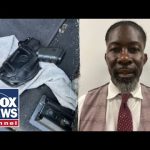
The Manhattan District Attorney’s office quietly allowed the criminal case against Brianna J. Rivers—the woman caught on camera sucker-punching pro-life activist Savannah Craven Antao—to be dismissed, a move that will leave ordinary New Yorkers furious and wondering who the justice system actually serves. This was not a garden-variety scuffle; it was a captured, bloody assault on someone peacefully doing street interviews, and yet the prosecutors let the case evaporate.
The attack, which occurred during a street interview in Harlem on April 3, 2025, left 23-year-old Antao bloodied and needing stitches after she was struck in the face while asking questions about abortion and foster care. Video of the incident circulated widely, provoking outrage across the country and sparking calls for accountability from conservative legal advocates and pro-life organizations.
According to reports, the case unraveled not because the evidence was weak but because the prosecution mishandled basic procedural responsibilities—missing deadlines and failing to file necessary paperwork that would have kept the case alive. In other words, powerful prosecutors bungled an easy prosecution and the result is a dangerous precedent: when prosecutors won’t do their jobs, victims get discarded.
That failure has prompted the Thomas More Society, a conservative legal group, to step in and announce plans for a civil lawsuit on behalf of Antao to force accountability and recover damages. This is exactly the kind of private enforcement that becomes necessary when public offices refuse to uphold the rule of law, and it should make voters ask whether officials like Alvin Bragg are protecting citizens or protecting activists who break the law.
Meanwhile, the alleged assailant has shown little remorse publicly and even tried to raise funds online for her legal defense before platforms shut down the campaign for violating terms on fundraising for violent crimes. That audacity—throwing taunts at a woman who was injured on camera, then watching prosecutors drop the case—will be remembered by law-abiding Americans who want streets where free speech and public debate aren’t answered with violence.
This episode is a stark reminder that safeguarding free speech and public safety requires more than outrage on social media; it requires electing prosecutors and officials who respect victims, enforce the law without political bias, and refuse to let procedural incompetence become an escape hatch for violent behavior. Hardworking patriots should take this as a call to action: demand accountability, support civil remedies when the system fails, and never accept a two-tier justice system where some people face consequences and others don’t.