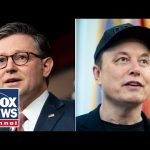


Elon Musk’s public clash with former President Donald Trump has sparked heated debates about leadership styles and personal conduct. Dr. Drew Pinsky recently analyzed Musk’s disclosure of his Asperger’s syndrome, questioning how the condition impacts high-stakes relationships. Conservatives argue that effective leadership demands strong social skills and unshakable decisiveness—qualities they claim Musk’s neurodivergence might undermine.
Musk admitted on Saturday Night Live he has Asperger’s, a form of autism marked by social challenges and intense focus. His tendency to take statements literally and miss hidden meanings could explain communication breakdowns with Trump. Patriots worry that America’s future hinges on leaders who navigate unspoken rules and backroom deals—skills Musk’s condition may blunt.
Dr. Drew highlighted Musk’s history of abrupt decisions, like firing Twitter employees or shifting corporate priorities overnight. These moves align with Asperger’s traits like rigid thinking and resistance to compromise. Traditionalists see this as reckless, arguing stability matters more than disruptive “genius” in leadership roles.
The billionaire’s childhood bullying and lifelong struggles with social cues resurfaced in a recent biography. His supporters praise his “savant-like” focus on innovation, but critics say running a nation—or a company—requires empathy, not just ideas. Trump’s alliance with Musk now faces scrutiny, with some conservatives questioning if erratic genius serves their cause.
Musk’s defenders argue his Asperger’s fuels his visionary successes, from SpaceX to Neuralink. Yet skeptics counter that politics isn’t engineering—it demands charm, diplomacy, and reading between the lines. The clash with Trump reveals a growing rift between disruptive tech leaders and seasoned political operators.
Mainstream conservatives stress that leadership isn’t just about IQ scores or bold ideas. It’s about rallying everyday Americans through shared values and clear communication—areas where Musk’s neurodivergence might leave gaps. As the 2024 election heats up, some fear his influence could fracture the unity Trump once commanded.
Liberals often celebrate neurodiversity, but Republicans prioritize results over identity politics. Musk’s struggles with social nuance and Trump’s blunt style create a volatile mix. Dr. Drew warns that without mutual understanding, such partnerships risk collapsing under misunderstood intentions or bruised egos.
This showdown isn’t just about two powerful men—it’s a test of whether unconventional minds can lead in a world built on tradition. Patriot voices urge a return to common-sense leadership, where clarity trumps complexity and loyalty outweighs innovation. For many, Musk’s Asperger’s isn’t an excuse—it’s a reminder that America needs steady hands, not just brilliant ones.