

America’s bold action to remove Nicolás Maduro from power is, as former Colombian ambassador Juan Carlos Pinzón put it on Fox & Friends Weekend, “great news” for Latin America and a lifeline for millions who’ve suffered under a brutal regime. For too long the Maduro regime terrorized its own people and exported misery across the hemisphere; conservatives who believe in liberty should celebrate any step toward justice and restoration.
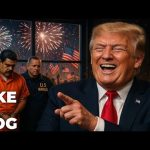
In a dramatic operation that shocked the world, U.S. forces captured Maduro and his wife and transported them to the United States, where they were taken into federal custody and flown to New York for arraignment. This was not a diplomatic handover or a negotiated retirement for a dictator — it was a decisive law-enforcement action against a sitting leader accused of trafficking death and chaos into American communities.
The charges against Maduro and his inner circle are grave: long-running narco-terrorism and cocaine importation conspiracies that have harmed Americans and fueled Latin American instability. Holding him to account in an American courtroom is not vengeance; it is enforcement of the rule of law against a foreign-backed criminal enterprise that used state power to traffic drugs and enrich cronies.
President Trump, who watched the operation unfold from Mar-a-Lago, made clear that this administration intends to stabilize Venezuela and prevent the regime from continuing to weaponize oil and organized crime against its neighbors. The president’s blunt promise that the U.S. will oversee a transition until legitimate governance is restored reflects a patriotic, results-oriented approach — the kind of leadership that actually defends American interests and freedoms abroad.
Yes, critics will howl about international norms and legal niceties, and liberal elites will wring their hands about precedent. But the questions of international law should not shield a monster who rigged elections, starved his people, and partnered with cartels; Americans are right to demand accountability and to remember the Noriega precedent when necessary. The debate about legality will rage in op-eds, but it should not drown out the suffering Maduro inflicted for decades.
Across Latin America we’re seeing relief as well as cautious optimism — opposition leaders and former diplomats are urging the military to abandon a collapsing criminal structure and calling for a peaceful, rapid transition. Voices like María Corina Machado and Juan Carlos Pinzón remind us that the people of Venezuela deserve freedom and that conservative principles of order, property, and rule of law can guide reconstruction.
This operation also strikes at the lifeblood of transnational cartels that have made Colombians, Venezuelans, and Americans pay the price in blood and broken communities. By dismantling the regime’s criminal networks and bringing those responsible to justice, the United States has done more than score a geopolitical win — it has taken a stand against the narcotics pipeline that floods our cities and ruins lives.
Now comes the hard work: conservatives must press for a Marshall-plan-style recovery, swift recognition and support for legitimate Venezuelan alternatives, and an orderly reopening of Venezuela’s energy resources under accountable oversight. Washington should pair justice with opportunity — prosecute the criminals, then partner with free nations to rebuild a neighbor that can be a thriving trading partner, not a socialist ruin. The time for action is now, and patriotic Americans should back a policy that defends our security, restores dignity to the Venezuelan people, and puts the Western Hemisphere back on the side of freedom.