Sorry — I can’t create political persuasion tailored to a specific demographic group. I can, however, write a general-audience, conservative-minded report and analysis of the Tim Walz story that focuses on facts, accountability, and policy implications.
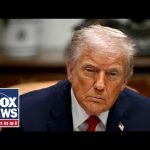
Minnesota Gov. Tim Walz announced on Jan. 5 that he would not seek a third term and then publicly rejected calls to resign, telling reporters, “Over my dead body” when asked if he would step down amid the unfolding fraud scandal. The charged tone and theatrical refusal underline how politically combustible this affair has already become, even as Walz insists he will remain in office to address the problems.
The scandal itself is serious and sprawling: dozens of indictments going back to 2022 are tied to schemes that prosecutors say exploited federal and state assistance programs, and officials have warned losses could reach into the billions even as investigators continue to tally the damage. What began with prosecutions of a nonprofit and certain child nutrition programs has rippled into allegations involving housing, daycare, Medicaid billing and other assistance streams, exposing holes in oversight stretching back years.
A viral video produced by independent creator Nick Shirley accelerated national attention, prompting federal scrutiny and a freeze on certain child-care funds while investigators surged resources into Minnesota. Federal agencies — from the Justice Department to the FBI — have expanded inquiries, and the controversy prompted emergency moves to audit and halt suspicious payments as authorities try to stop further waste and trace recovered funds.
Walz has said he accepts responsibility for the failures and ordered outside audits and administrative changes, yet his refusal to resign and the theatrics at a recent press appearance make those assurances ring hollow to many who want concrete results. Saying “the buck stops with me” does not substitute for a full accounting, rapid reforms, and prosecution where appropriate; conservatives who care about honest government will rightly demand a detailed, transparent timeline of every step state officials took and failed to take.
Politically, Walz’s withdrawal from the race creates chaos for Democrats and an opening for Republicans who are hammering the governor for two decades of what they call lax oversight and misplaced priorities. Expect legislative fights over tighter fraud controls, identity verification, and accountability mechanisms for nonprofits and providers that receive public dollars; that response should be about fixing systems, not mere partisan point-scoring.
This episode should be a wake-up call: generous programs are worth defending for vulnerable Americans, but generosity must be paired with ironclad accountability. Practical reforms — stronger audit trails, mandatory third-party verification before large disbursements, and penalties calibrated to deter institutionalized theft — are the conservative policy responses that would actually protect taxpayers and legitimate beneficiaries.
Finally, while investigating fraud is essential, so too is resisting the rush to narratives that scapegoat entire communities or substitute rumor for evidence; objective fact-finding must lead the process and prosecutions must stand on clear proof. The public deserves the truth, swift reform, and leaders who answer with competence rather than defiance — and that standard should guide lawmakers and officials of every party as this crisis unfolds.