

Fox Nation quietly released a never-before-seen special called Charlie Kirk: The Last Interview that gives Americans a solemn, unvarnished glimpse of the man the left tried to cancel but never truly understood. The footage, recorded at a Salt Lake City summit only hours before the fatal attack at Utah Valley University, shows Kirk as earnest, optimistic, and focused on building something greater than himself.
In the interview, Kirk spoke less like a media provocateur and more like the entrepreneur and mentor he loved being, praising innovation, hard work, and even Elon Musk’s ruthless focus on execution while offering practical advice to young leaders. That apolitical side of Kirk — the part that mentored teenagers into thinking bigger and better — is what millions of Americans connected with, and what this last conversation preserves for history.
What followed that hopeful morning was a national tragedy: Kirk was shot on stage at UVU and later succumbed to his wounds, an act of political violence that stunned the country and exposed the rot in our public discourse. Authorities have charged a suspect and the criminal process is underway, but no legal outcome will ever bring back a life stolen from his family and from a movement that now must carry his torch.
Andrew K. Smith, the Savory Fund co-founder who sat down with Kirk, shared the interview clip and later described the surreal moment when he learned the man he had just spoken with had been shot. Smith’s post and reflections underscore how ordinary and human that conversation was — and how quickly the narrative machines on the left and in coastal media twisted a public service into a spectacle.
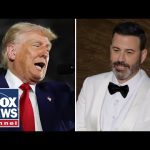
Instead of solemn grief and universal condemnation, too many in Hollywood and the elite media reflexively reached for cheap, polarizing takes; some even labeled Kirk hateful in the immediate aftermath, a moral failing that exposes their priorities. That tone-deafness from celebrities and pundits is a national disgrace — it reveals a culture that elevates performative outrage over mourning and enables the very tribalism that leads to violence.
Conservatives should not be silent or sentimentalized into passivity. Charlie Kirk built a movement to teach young Americans to think for themselves, to love country and faith, and to reject the victim mentality the left peddles. The conservative response must be practical and principled: demand accountability, insist on better security for public events, and redouble our efforts to bring commonsense values back to campuses and the culture.
Let this last interview be a rallying cry rather than a memorial plaque. Honor Kirk by doing what he asked of his followers: show up, argue hard, work for truth, and refuse to let the mob or the megaphones of the cultural elite define the terms of our citizenship. America needs the optimism and toughness he stood for now more than ever.