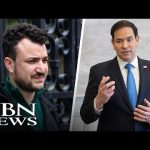


Secretary of State Marco Rubio made it clear that supporting terrorist groups has consequences for foreigners living in America. His comments came after immigration authorities arrested Mahmoud Khalil, a green card holder who organized pro-Palestine protests at Columbia University. Rubio explained that visas and residency privileges depend on following America’s rules.
The government says Khalil promoted Hamas materials at campus demonstrations. Rubio stressed that letting Hamas supporters stay would be dangerous. He called it “common sense” to remove people who back terrorists. If someone couldn’t enter America because of terrorist ties, they shouldn’t get to stay once those ties are discovered.
President Trump praised Khalil’s arrest as the start of a bigger crackdown. He accused some student protesters of spreading anti-Semitic hatred and supporting terrorism. The administration claims it’s protecting national security, not silencing free speech. Critics argue this targets political dissent, but officials insist terror sympathizers don’t deserve constitutional protections.
Khalil’s lawyers say he’s being punished for peaceful activism. They argue revoking his green card without proper hearings violates due process. Immigration experts note permanent residents normally get court reviews before deportation. The administration bypassed this by citing “foreign policy consequences” under old immigration laws.
Rubio’s blunt approach reflects conservative priorities: putting America’s safety first. He sees no difference between supporting Hamas overseas and doing it on U.S. soil. For many conservatives, this sends a message that America won’t tolerate extremism disguised as activism. The move has sparked debates about balancing security with free expression.
The case highlights tensions over immigration enforcement. Conservatives argue residency is a privilege, not a right. They want stricter vetting to keep out radical influences. Liberals warn this could be abused to target critics of Israel. Rubio’s team says they’re simply enforcing existing laws against terror groups.
As Secretary of State, Rubio plans aggressive action against foreign radicals. His supporters cheer this tough stance, saying it’s overdue. Opponents fear it sets a precedent for politicizing immigration status. For now, the administration seems focused on making examples of high-profile activists like Khalil.
This situation shows how national security concerns shape immigration policy. The government’s message is clear: America welcomes peaceful debate but won’t harbor those who align with enemies. How this plays out in courts will test the limits of executive power over residency rights.